
How to Build a Wedding Timeline That Maximizes Party Time
You know that wedding where the dance floor was packed by 9pm, people were still going at midnight, and nobody wanted to leave? The food was great. The DJ was great. But honestly?
Those things didn’t do it alone. What made that night feel the way it felt was a timeline somebody thought through really carefully. One that gave people time to eat without rushing, got the couple back from photos before cocktail hour ended, and didn’t slam everyone through four hours of formalities before the first song even played.
How you build a wedding day timeline is one of the most important planning decisions you’ll make. It’s just not one that gets talked about nearly enough.
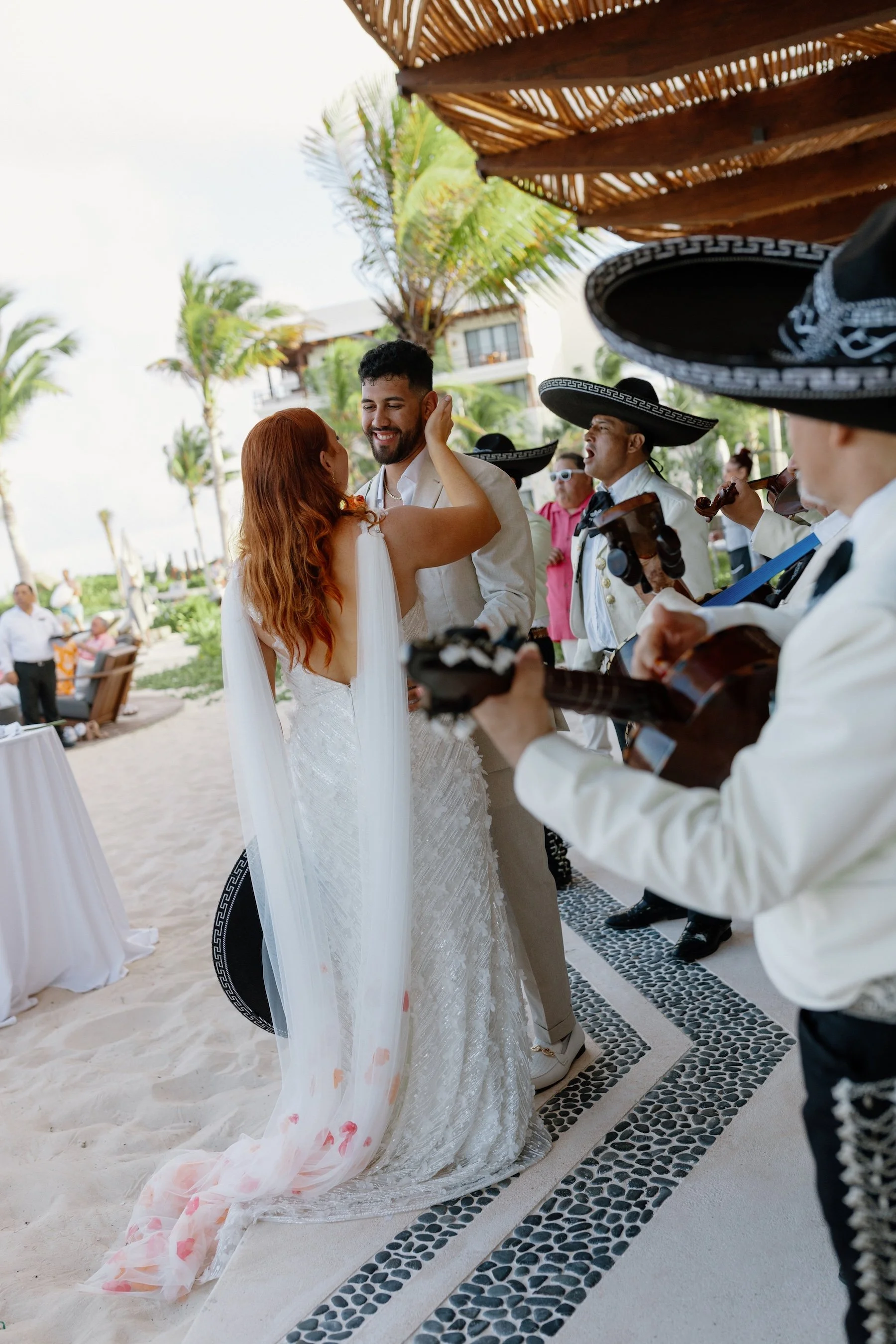
Photo by Kayla Esparza Photography
How to Build a Wedding Day Timeline: Start With the End in Mind
Most timelines begin at the start of the day. Hair and makeup at a certain hour. Guests arrive. Ceremony starts. Dinner happens. Dancing happens at the end. That approach front-loads the schedule and leaves the party with very little room to breathe.
A better approach starts at the opposite end of the day. Ask yourself when you want the dance floor to peak. Work backwards from that moment and let the rest of the wedding day schedule build toward it rather than drain the energy before it even begins.
Most weddings reach their best energy about an hour after dancing starts. That moment should feel full, loud, and completely effortless to guests. Every decision made earlier in the day is either protecting that moment or quietly working against it.
When the pacing works, guests move naturally from one moment to the next. Nobody checks their watch. Nobody wonders what’s happening next. The night just flows.
Get Photos Done Early So You Can Actually Be at Your Wedding
Here is one of the most common wedding timeline mistakes I see, year after year, and it breaks my heart every time: the couple misses their entire cocktail hour because they’re still doing family portraits.
Cocktail hour is where the atmosphere first comes alive. Guests are reconnecting, meeting each other, grabbing drinks, settling into the celebration. It’s one of the most social and joyful hours of the entire day. And the couple, the two people everyone is there to celebrate, are somewhere across the property doing a photo they could have done two hours earlier.
A first look solves this. Couple portraits, most wedding party photos, and the majority of family photos can all happen before the ceremony. It takes planning, but it frees up the entire post-ceremony window for the couple to actually be present.
A few smaller moments also deserve intentional scheduling in this window:
Marriage license signing takes time and is easy to forget until someone is already in a veil and heels
Bustling the dress takes longer than expected, especially with complex gowns
Golden hour portraits are worth protecting. Oregon sunset light is extraordinary and a short window set aside for it makes a real difference in the final images
A private moment right after the ceremony, just the two of you with a drink and something to eat, before the reception pulls you back in
That last one is my personal favorite recommendation. Couples who build in even ten quiet minutes after the ceremony consistently say it was one of the best parts of the day.
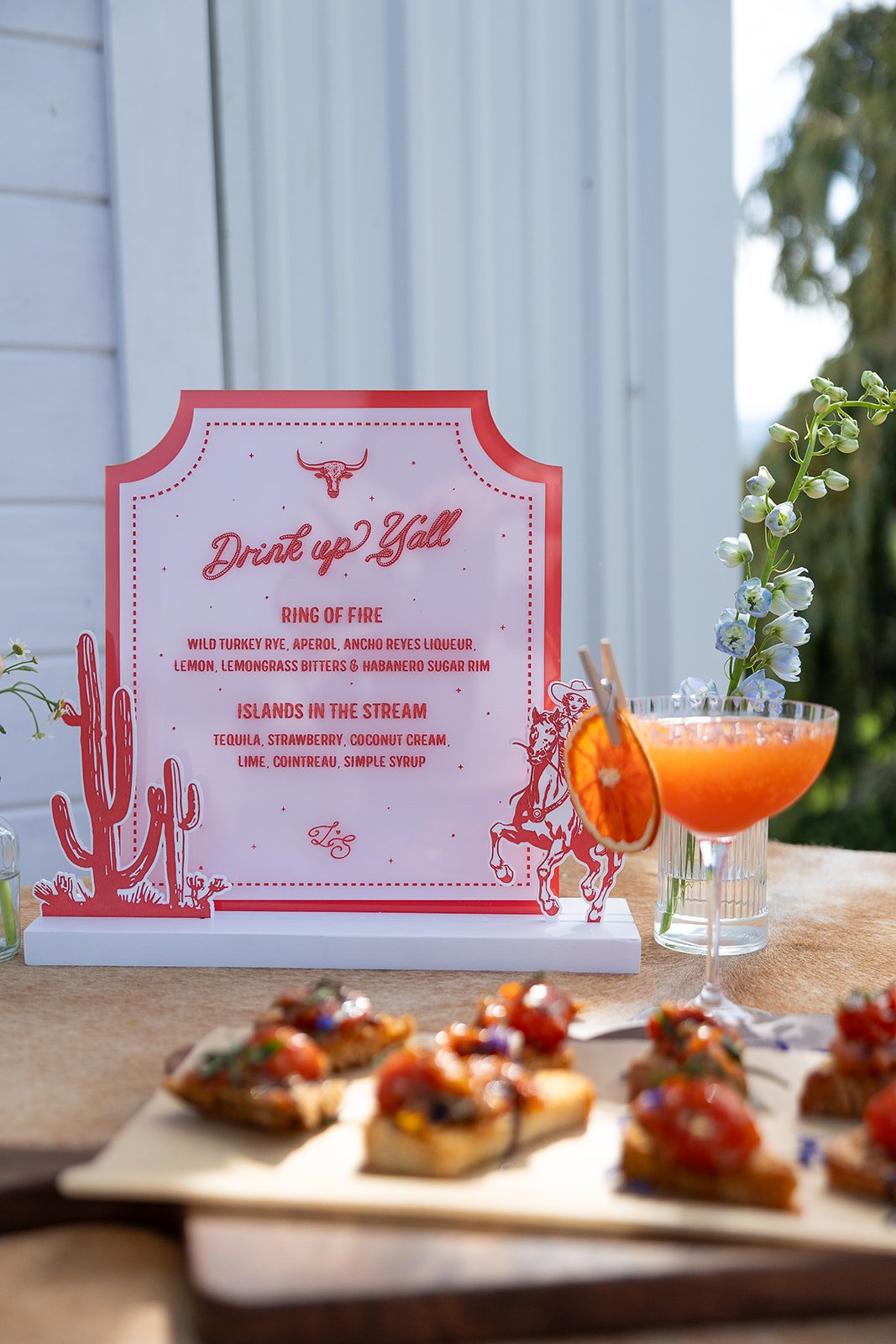
Photo by Ally Marie Photo
The Cocktail Hour Nobody Wants to Miss
Cocktail hour is the social heartbeat of a wedding. It’s where the atmosphere first builds, where guests who haven’t seen each other in years finally catch up, and where the energy of the night takes its first real shape.
Couples spend months designing the reception space. Cocktail hour often gets a fraction of that attention, which is a mistake, because cocktail hour is the first thing guests actually experience.
The biggest energy killer during this window is waiting. If guests stand around too long without food, drinks, or music, the mood drops fast and it takes real effort to get it back. A strong cocktail hour has all three moving from the moment guests arrive.
And when the couple is actually there, present and relaxed, cocktail hour becomes something guests genuinely remember. That only happens when photos are done.
The Dinner to Dancing Transition: The Most Delicate Moment on the Wedding Day Schedule
The shift from dinner to dancing is where a lot of wedding timelines quietly fall apart. Guests move from a seated, conversational mood into a high-energy party, and if that transition feels slow or awkward, the momentum disappears and it is genuinely hard to get back.
Dinner length is the biggest variable. Most weddings schedule it longer than necessary. Guests finish eating and then sit through extended pauses, extra speeches, or transitions that drag on while the energy slowly drains out of the room.
Sixty to ninety minutes for dinner works well for most weddings. Two to four focused toasts land far better than a long rotation of speakers, for guests and for the couple. And the first dance works best immediately after dinner rather than after another round of waiting. Let the first dance open the floor naturally, while people are still feeling warm and fed and happy.
The goal is for guests to feel like the party started before they even realized it was starting. That doesn’t happen by accident.
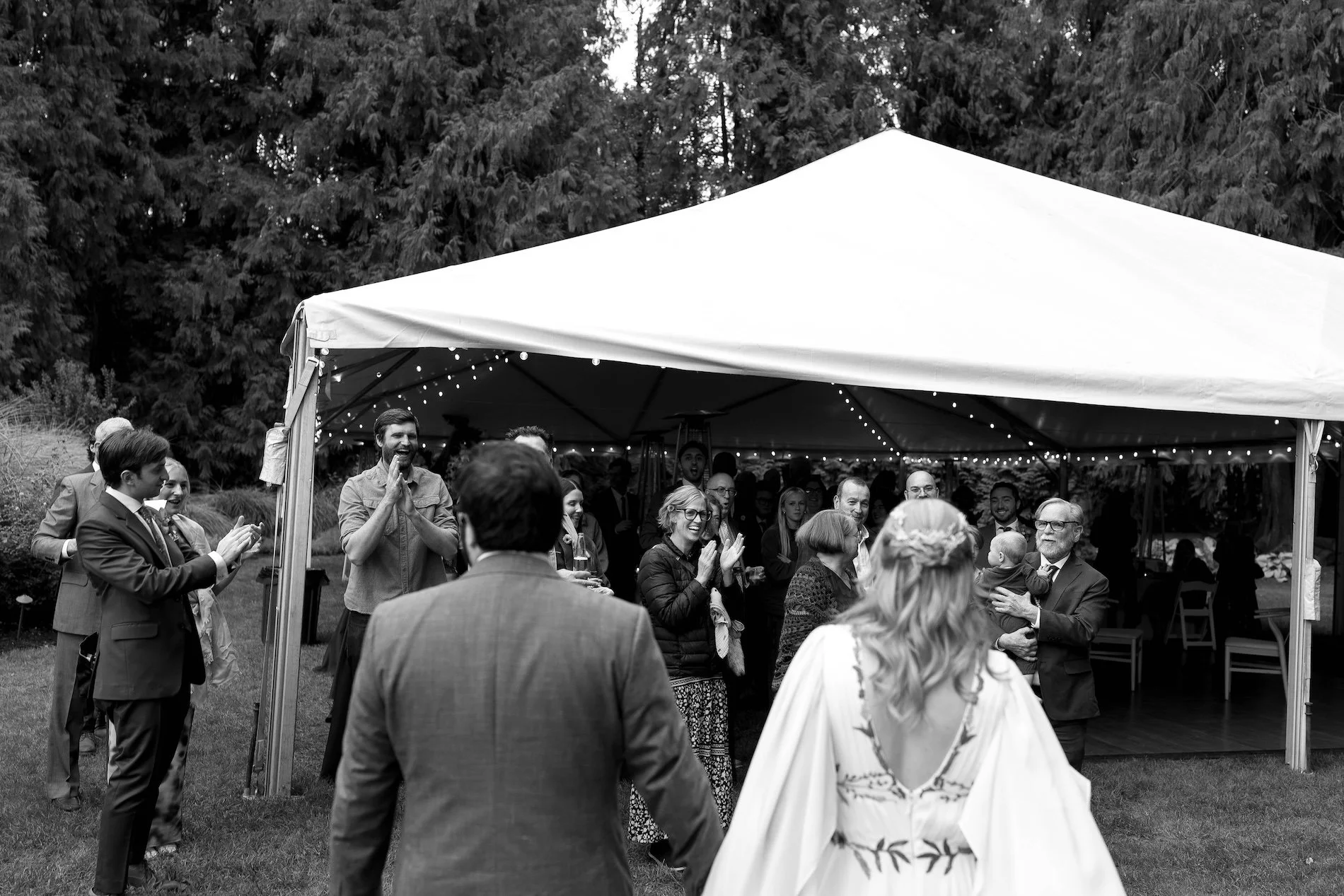
Photo by Pure Meadow
Build Buffer Into Your Outdoor Wedding Timeline in Oregon
Every wedding timeline needs buffer. Outdoor weddings in Oregon need a little more. Weather changes. Vendors run behind. Guests take longer to move between spaces than anyone planned for. A timeline without breathing room turns into a timeline that feels rushed all day, and a couple who spends their wedding day quietly stressed.
The trick is hiding the buffer where guests never feel it. Extra time before the ceremony so hair, makeup, and photos run comfortably. Small gaps between major transitions that create flexibility without slowing the guest experience.
On the wedding day itself, a planner manages those adjustments in real time. Vendors stay informed. Transitions happen on cue. The couple never feels the scrambling happening behind the scenes, because there shouldn’t be any scrambling. There should just be a plan that actually works.
Late Night Wedding Timeline Ideas That Keep the Party Going
The last hour of a wedding is often the best hour of a wedding. The formalities are done. Guests have fully relaxed. The dance floor is at peak energy and nobody is thinking about leaving.
Protecting that hour is worth planning for explicitly.
Late night food is one of the easiest ways to give guests a second wind. Snacks, small bites, a surprise pizza delivery, a dessert station that appears out of nowhere. These moments create a burst of energy and delight that keeps people on the floor.
Some couples also plan an after party for guests who want to keep the night going. A clear signal that the celebration is continuing, whether that’s a change in lighting, a DJ announcement, or a move to a different space, keeps the momentum instead of letting it dissipate while people drift toward the exit.
A thoughtful wedding day timeline doesn’t just protect the peak. It creates the conditions for the peak to happen in the first place.
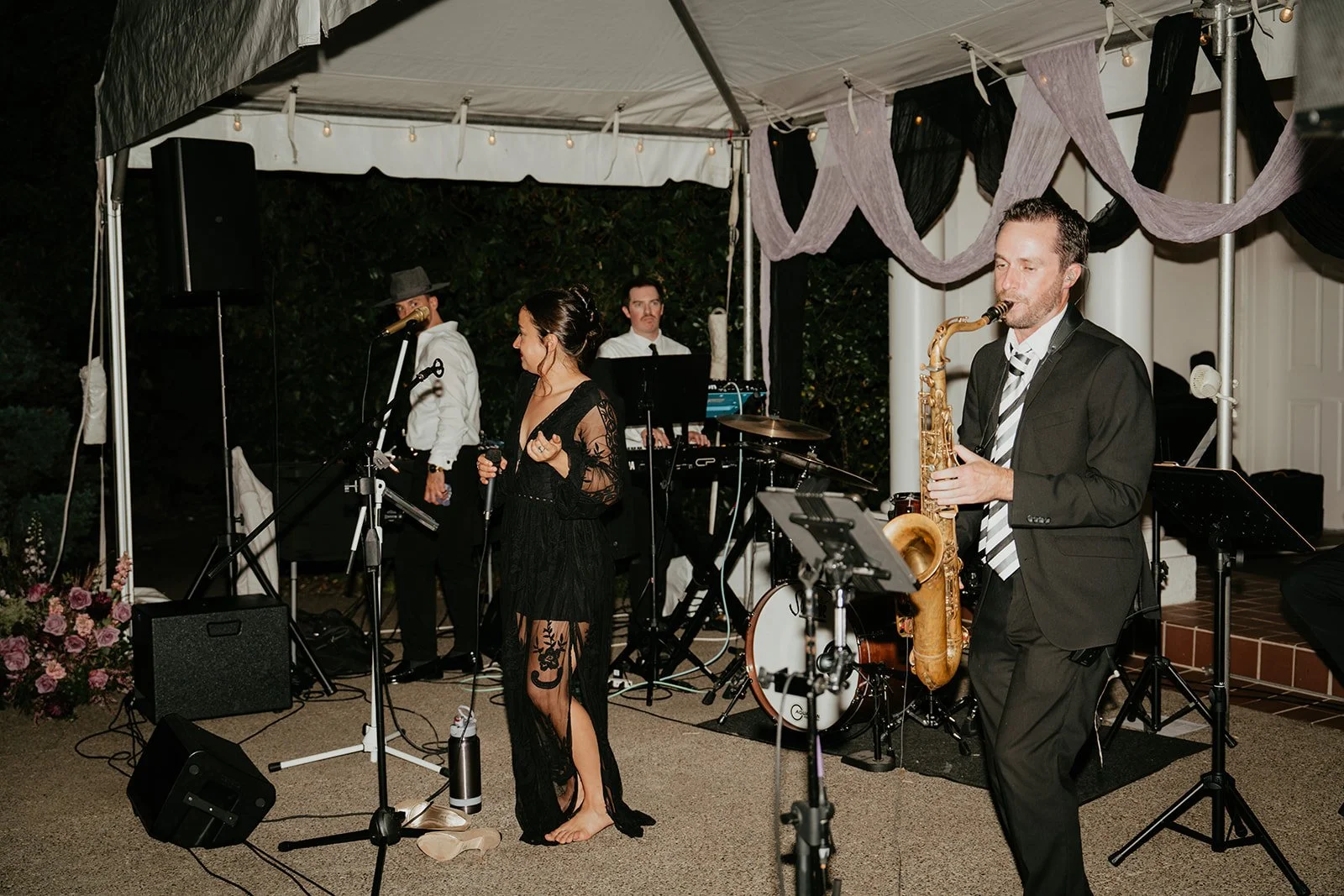
Photo by Taylor Denton Photography
Sample Wedding Day Timeline: How the Pacing Actually Works
Every wedding timeline is different depending on guest count, ceremony time, and venue rules. But this is how the pacing tends to work for a celebration built around energy and guest experience. Think of it less as a schedule and more as a map of how the day’s momentum builds.
12:00 PM
Hair and makeup ends
1:30 PM
First look and couple portraits
2:00 PM
Wedding party photos
2:30 PM
Family portraits
4:00 PM
Guests begin arriving. Welcome drinks are ready. Music is already playing.
4:30 PM
Ceremony begins
4:30 PM
Ceremony ends. Cocktail hour begins.
4:45 PM
Couple join cocktail hour, after having some alone time together.
5:45 PM
Dinner service begins
6:30 PM
Toasts begin
7:00 PM
First dance, followed immediately by open dancing. The floor opens while the energy is still high.
9:00 PM
Late night snacks appear. Second wind activated.
9:30 PM
Dance floor peak energy. This is the moment the whole timeline was built for.
10:30 PM
Formal reception ends. After party begins for anyone who isn’t ready to stop.
A Wedding Timeline That Lets the Party Actually Happen
Couples pour energy into the florals, the music, the food, the design. All of that matters. But the timeline is what determines whether any of it lands the way it’s supposed to.
When the pacing is right, the day feels relaxed even when a hundred things are moving at once. Guests stay engaged. The couple feels present. The dance floor fills up at exactly the moment it’s supposed to.
Building a timeline that works on paper is one thing. Executing it smoothly across dozens of vendors, hundreds of guests, and the beautiful unpredictability of an actual wedding day is something else entirely. That’s the part where having an experienced planner in your corner makes the difference between a timeline and a day.
Let’s Build Your Timeline
If you’re starting to realize how much the wedding day schedule shapes everything else, you’re asking exactly the right questions at exactly the right time.
I love this part of the planning process. Taking all the pieces of your day and figuring out exactly how to sequence them so the whole thing builds toward the night you’ve been picturing. Let’s figure out your version of that.
Let’s start planning your wedding timeline.
